Why slow fishing games feel so restful
A personal reflection on what makes fishing games like Ultimate Fishing Simulator feel calm, and why their slower rhythm appeals to so many players.

A different kind of game
Most games are built around challenge and momentum. They ask you to react quickly, plan ahead and keep moving. Fishing games turn much of that upside down. In Ultimate Fishing Simulator, you can spend a long stretch of time simply standing by the water, watching a float, and still feel that the session was worthwhile.
This article is an opinion piece rather than a guide. It reflects on why this slower style of play feels restful to many people, without claiming that it will suit everyone or that it offers any particular benefit beyond enjoyment.
Attention without pressure
One of the most appealing qualities of fishing games is the kind of attention they invite. You need to notice small details, such as the movement of the float or the change in line tension, but there is rarely a harsh penalty for missing them. If a fish escapes, you simply cast again.
This combination of focus and forgiveness is unusual. It keeps the mind gently occupied without the sense of threat or urgency found in many action games. For some players, that balance feels like a pleasant middle ground between doing nothing and doing too much.
The landscape as a companion
In a fishing game, the setting is not just a backdrop. It is the main thing you spend time with. Water, sky, trees and wildlife fill the long moments between bites, and the changing light of morning or evening gives each session its own character.
Because you are not racing through these places, you have time to notice them. A familiar lake gradually becomes a place with corners you prefer and views you look forward to. That sense of familiarity, of returning to somewhere known, is part of what can make a slow game feel comforting.
The sound design adds to this. Gentle water, distant birds and the soft click of a reel create an atmosphere that many players find easy to settle into.
Progress you can feel, not chase
Ultimate Fishing Simulator does have progression: new gear, new waters and new species to discover. But this progression tends to feel organic. You improve because you spend time fishing, learning how bites look and how tension behaves, not because you followed a strict optimised route.
In my view, this is where the genre is at its best. When progress grows naturally out of quiet sessions, each new rod or location feels like a reward for time well spent. When progress becomes the main goal, the slower parts of the game can start to feel like obstacles. Keeping the focus on the process rather than the destination helps preserve the calm that drew many of us to fishing games in the first place.
Not for everyone, and that is fine
Slow fishing games are not for every player or every mood. Some people find long waits frustrating, and on some evenings even dedicated fans may prefer something more energetic. That is entirely reasonable.
The point of this reflection is not to argue that slow games are better than fast ones, but to appreciate what they offer on their own terms. If you enjoy unhurried play, a fishing game can be a welcoming place to spend an hour. If you are curious, the best way to find out is to try a short, relaxed session and see how it feels.
Related articles
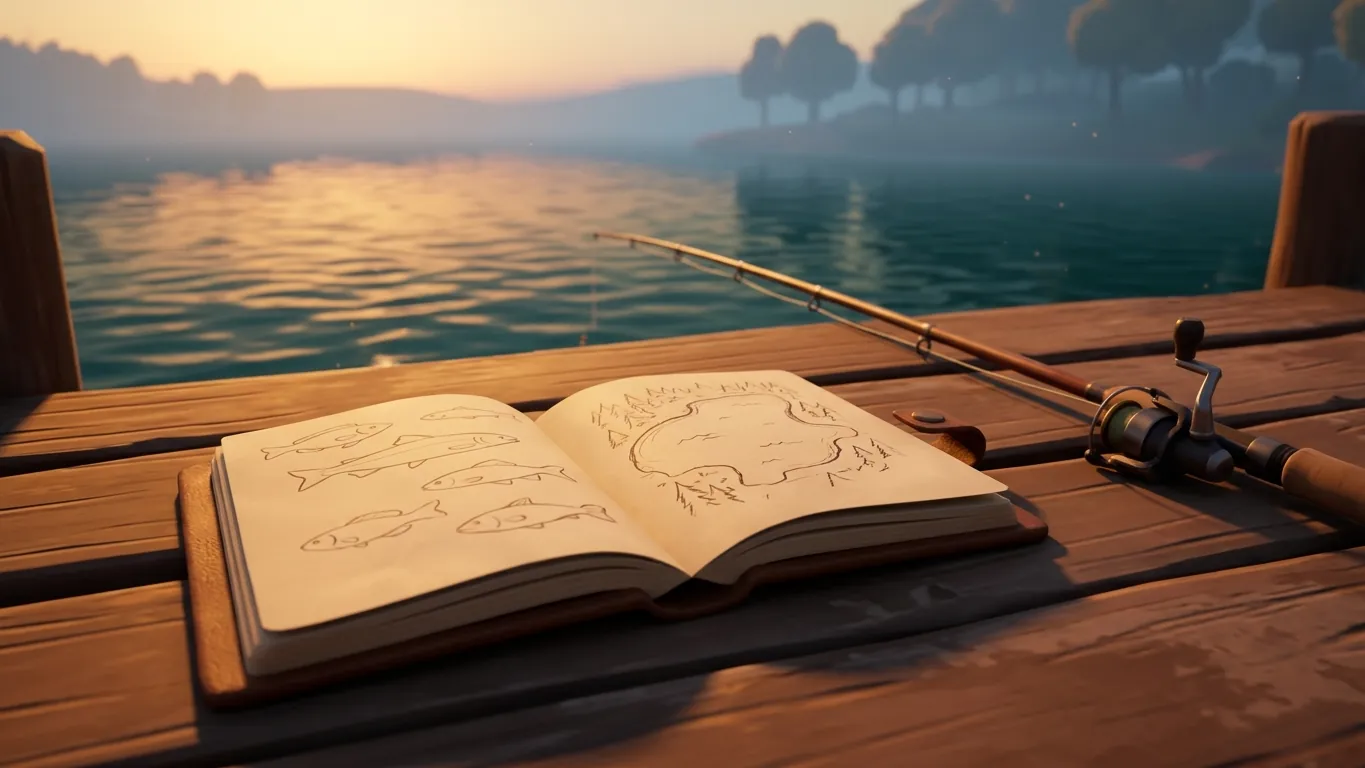 Keeping a virtual fishing journal
How a simple journal can make virtual fishing more rewarding: what to note after each session and how to turn your notes into gentle, personal goals.
Read more
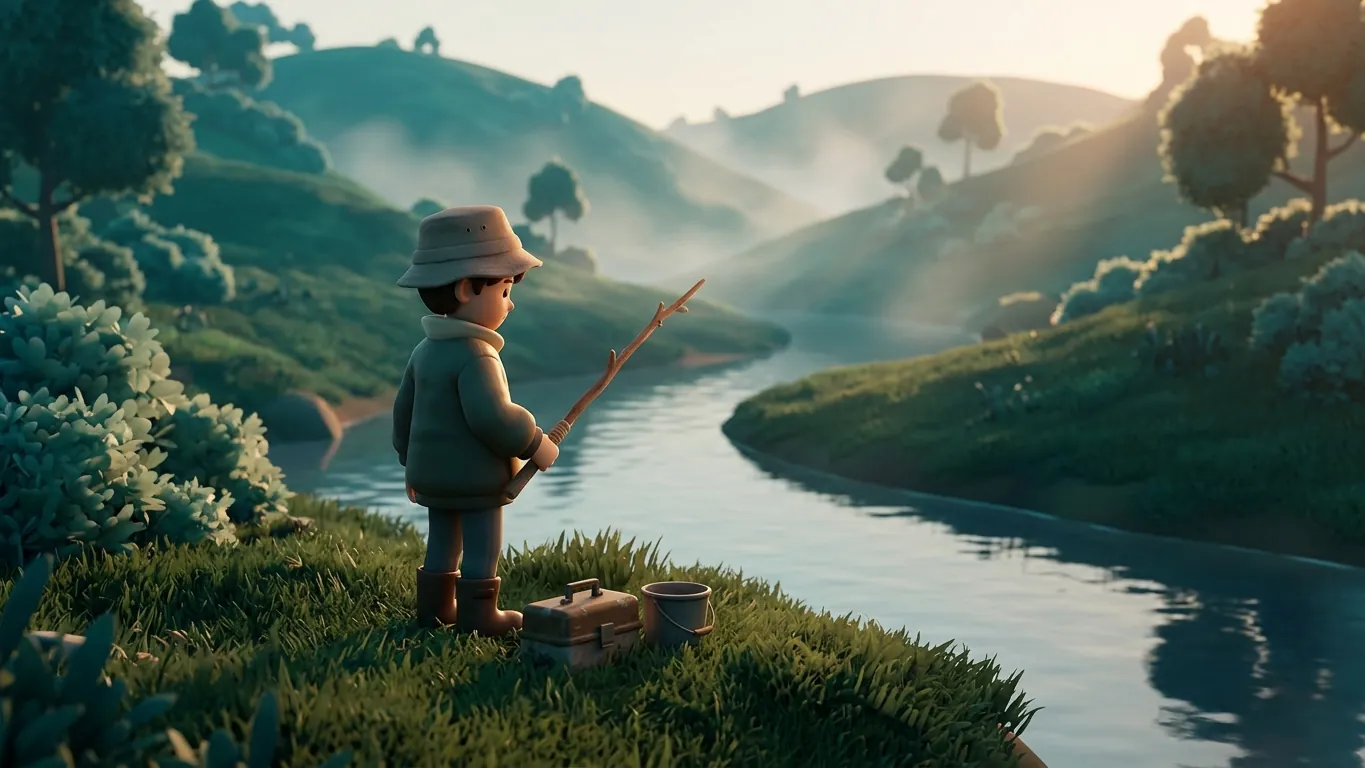 Getting started with Ultimate Fishing Simulator
A calm beginner's guide to Ultimate Fishing Simulator: choosing a first spot, learning to cast and reel, and building confidence without rushing.
Read more
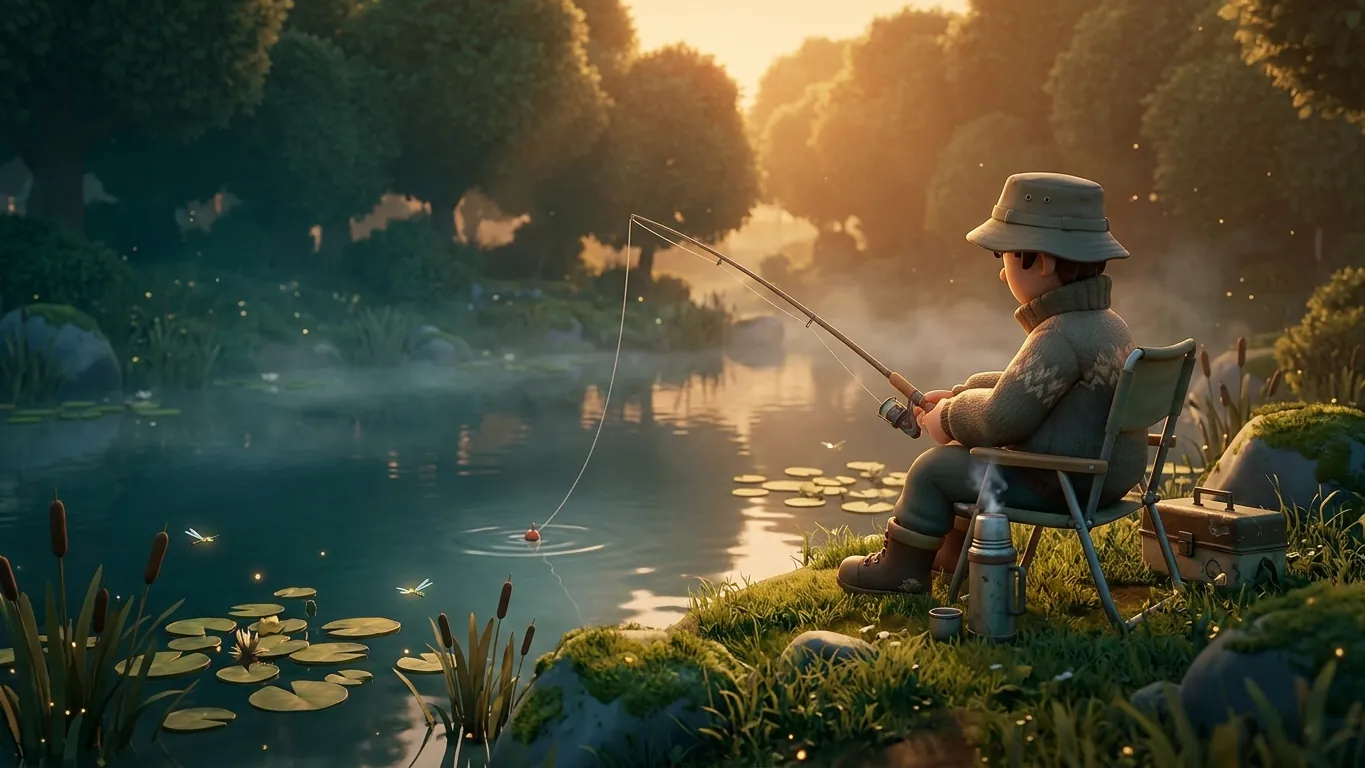 Finding a comfortable pace in fishing games
How to set a relaxed rhythm in fishing games: shorter sessions, gentle goals and simple habits that keep virtual fishing restful rather than rushed.
Read more