Getting started with Ultimate Fishing Simulator
A gentle introduction to the first hours of virtual fishing: where to begin, what to learn first and how to enjoy progress without hurrying it.
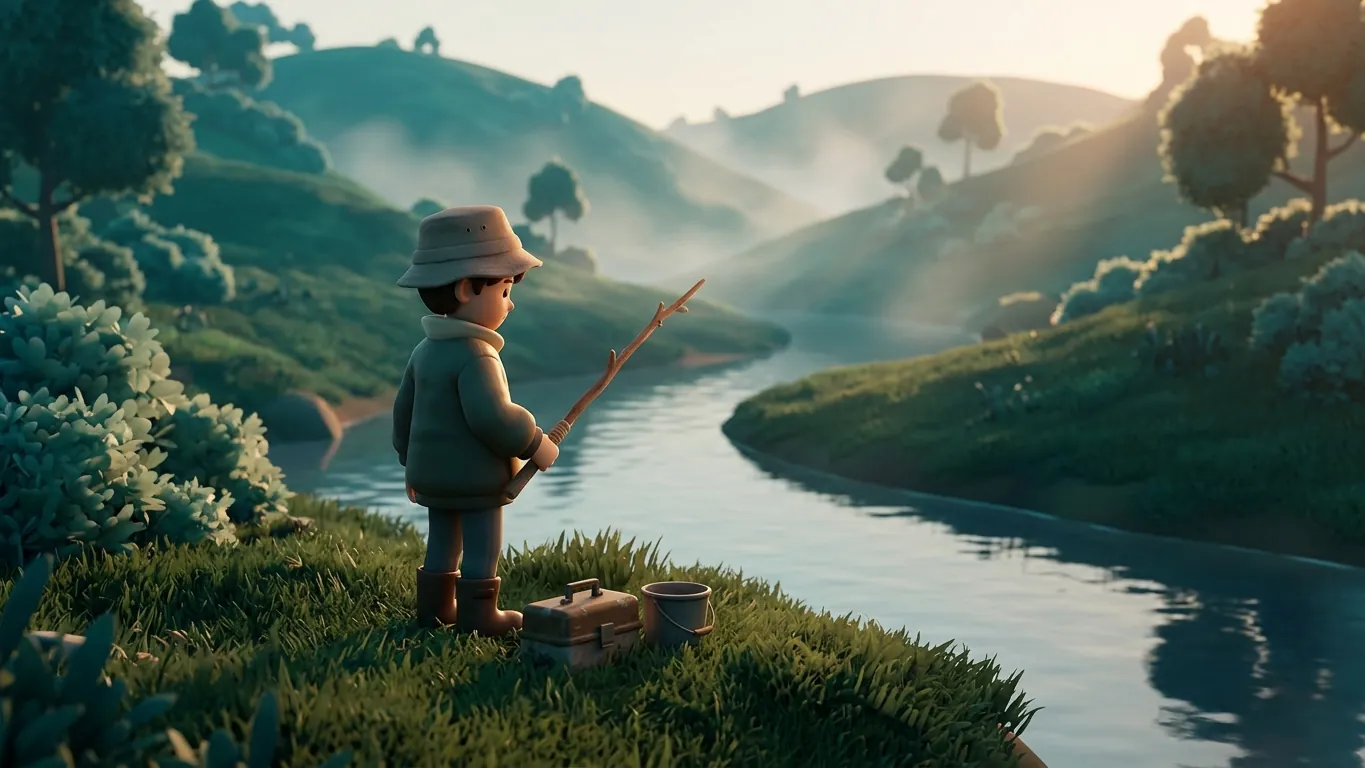
What kind of game you are stepping into
Ultimate Fishing Simulator is a fishing simulation that places you at the edge of virtual lakes, rivers and other waters, with a rod in hand and time to spare. There are no enemies to fight and no clock forcing you onward. Instead, the game asks you to observe, prepare your gear and react calmly when a fish takes the bait.
For newcomers, this can feel unusual at first. Many games reward speed and quick reflexes, while a fishing simulator rewards attention. You watch the float, follow the feedback the game gives you about the line and decide when to reel. Once that rhythm clicks, the experience becomes less about winning and more about settling into a quiet routine.
This guide focuses on the first hours: where to begin, what to learn first and how to avoid the common trap of trying to master everything at once.
Choosing a first fishing spot
When you start, you will usually have access to a limited selection of locations, with more opening up as you play. It is tempting to look ahead at waters that are still locked, but your starting area is a good place to learn the basics, and it deserves a proper visit.
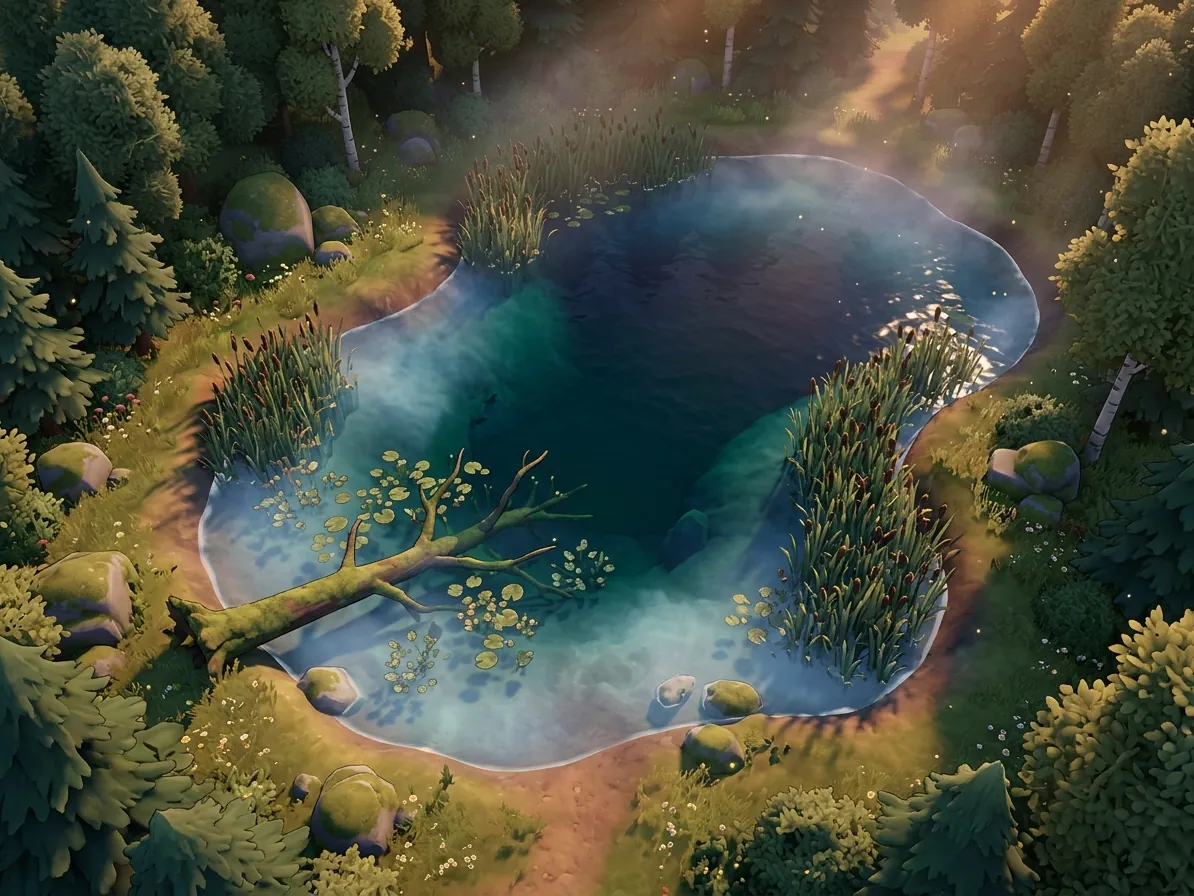
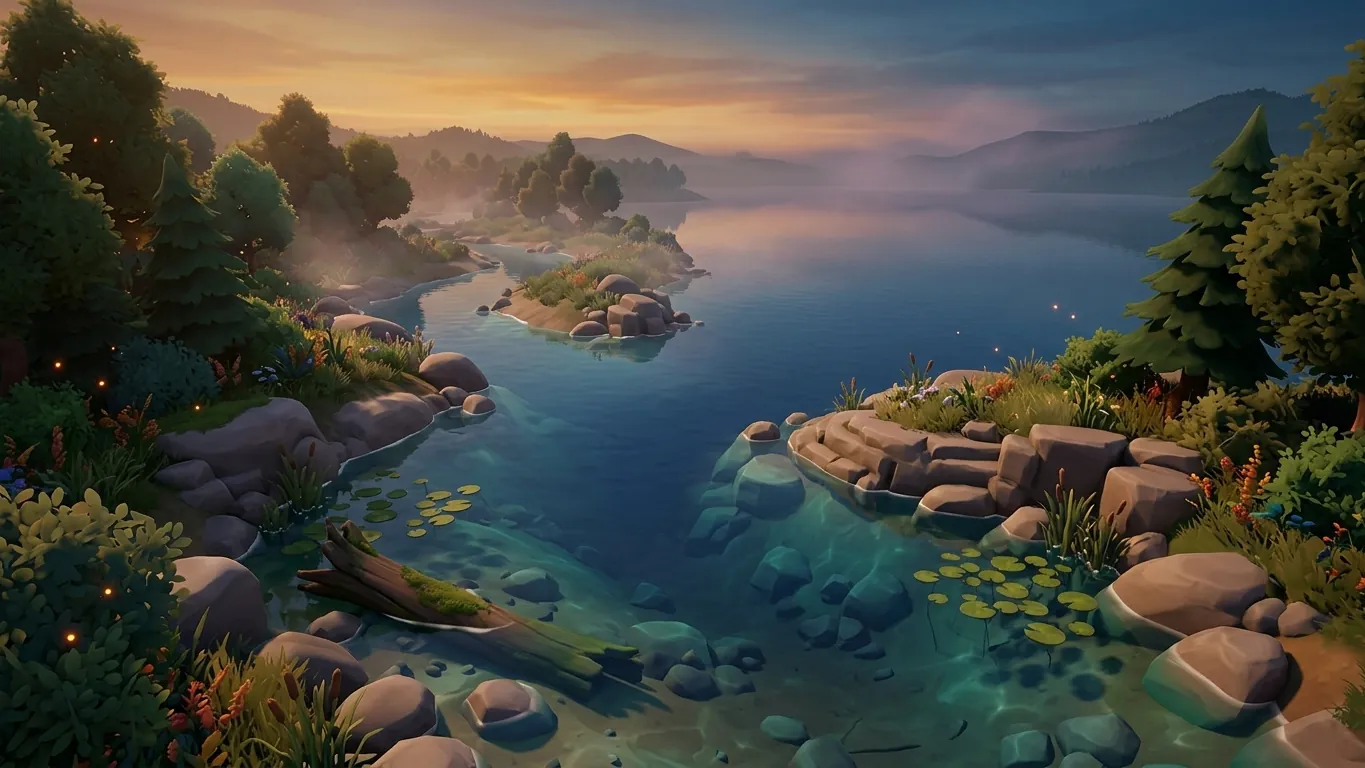
Pick one place and stay there for a while. Walk along the shore, look at where the bank drops into deeper water, and notice reeds, fallen trees or calmer bays. Features like these often matter in fishing games, and getting used to reading them early will help later.
Staying in one location also helps you notice small changes. The light shifts, the weather may turn, and the fish that bite in the morning are not always the same ones that bite in the evening. Learning one place well is a calmer and more rewarding start than hopping between maps.
Your first cast, step by step
These steps describe a simple routine you can repeat until the controls feel natural.
- 01
Prepare a simple setup
Begin with the basic rod, reel, line and bait you have. A float setup is often the easiest way to see when something is happening under the surface.
- 02
Cast without forcing distance
A short, accurate cast near a promising feature is usually more useful than a long throw into open water. Practise a few casts to get a feel for the controls.
- 03
Watch and wait
Keep an eye on the float or line. Small movements can be fish testing the bait, so give it a moment before reacting.
- 04
Reel with care
When a fish is hooked, pay attention to line tension. Reeling steadily and easing off when the line is under strain helps keep it from breaking.
Understanding progression without chasing it
Like many simulation games, Ultimate Fishing Simulator includes a sense of progression. As you catch fish, you earn in-game rewards that can be used for new equipment and access to further waters. This structure gives you something to work towards, but it does not have to set the pace.
A helpful way to see progression is as a natural result of time spent fishing rather than a race. If you focus on enjoying each session, upgrades arrive along the way. If you focus only on the next unlock, the game can start to feel like a checklist.
When you do earn something new, try to choose one item that solves a problem you have actually noticed, such as a line that keeps snapping or a bait that does not seem to attract the fish you are hoping for. Purchases made for a clear reason tend to feel more satisfying.
Small habits that make the first hours pleasant
Set the volume to a comfortable level and let the ambient sound do its work; water, birds and wind are a large part of what makes this kind of game calming. If the game offers graphics or control settings, take a few minutes to adjust them so that the view feels clear and the controls feel natural in your hands.
Keep sessions fairly short at the beginning. Half an hour or so is enough to learn a few things without feeling tired, and it leaves you looking forward to the next visit.
Finally, accept that some fish will get away. Losing a catch is part of fishing, virtual or otherwise, and every escape teaches you a little more about tension, timing and patience.
Related articles
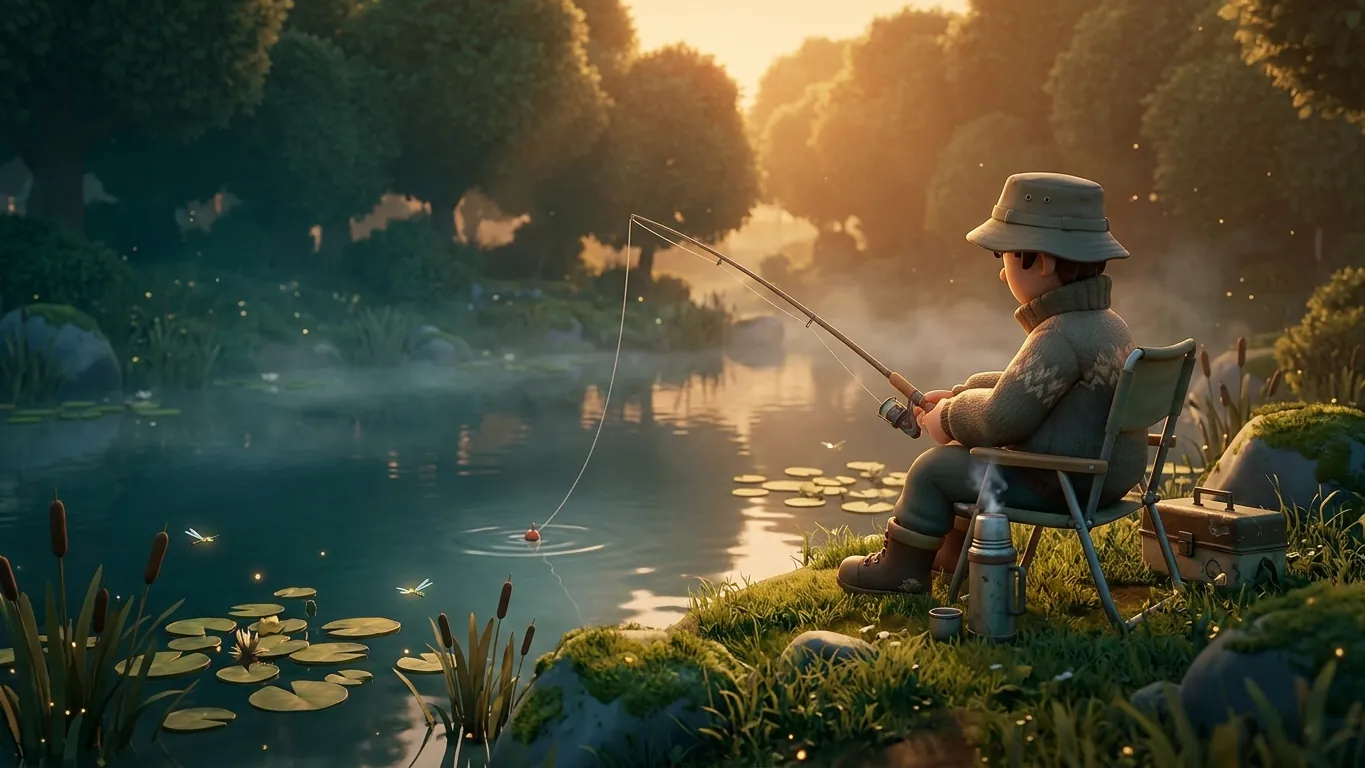 Finding a comfortable pace in fishing games
How to set a relaxed rhythm in fishing games: shorter sessions, gentle goals and simple habits that keep virtual fishing restful rather than rushed.
Read more
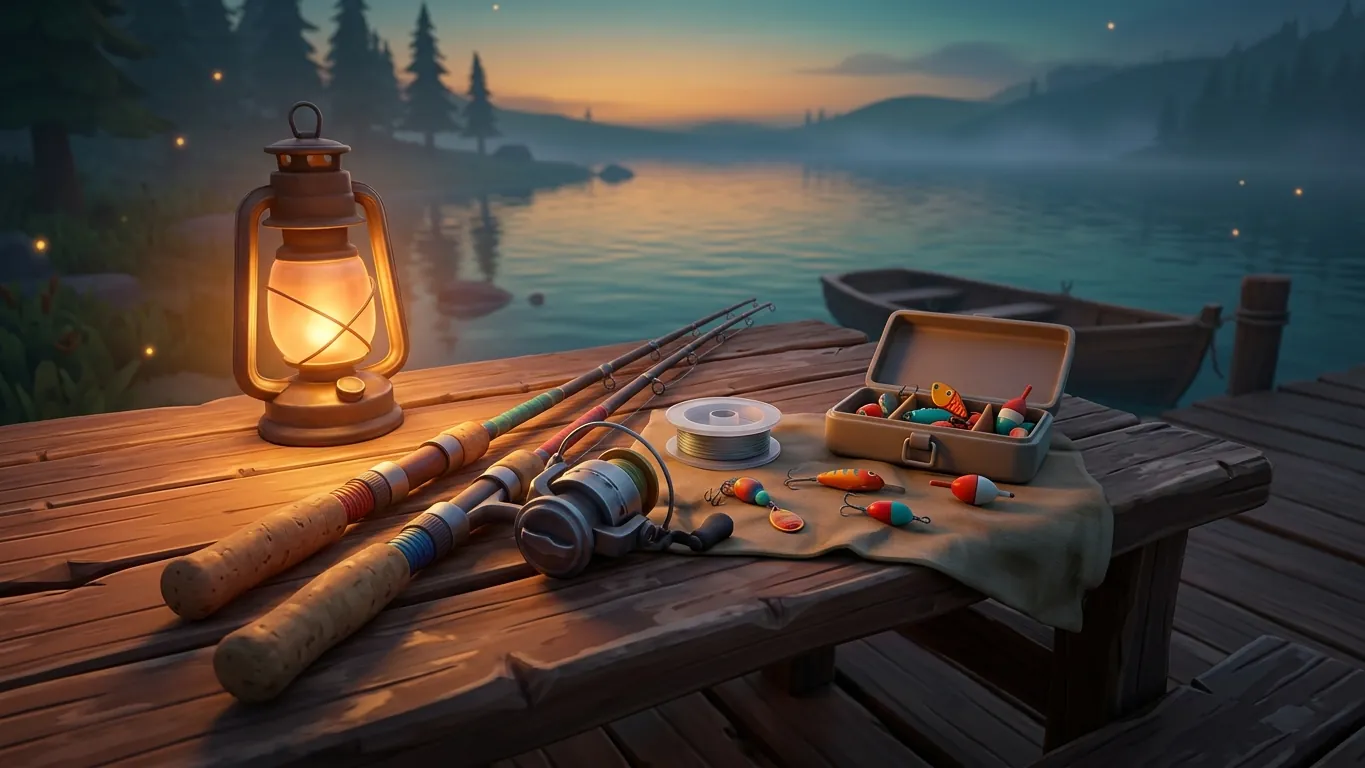 Choosing rods, reels and bait without the overwhelm
A clear guide to rods, reels, line and bait in fishing games, with tips on choosing gear for a reason and upgrading thoughtfully over time.
Read more
 Reading the water before you cast
Learn to read virtual water calmly: depth, shoreline shape, cover, time of day and weather, plus a simple way to experiment and remember results.
Read more