Choosing rods, reels and bait without the overwhelm
Equipment menus in fishing games can look complicated. This guide explains the main pieces of gear in plain terms and suggests a calm way to build your setup.
Why gear matters, and why it is not everything
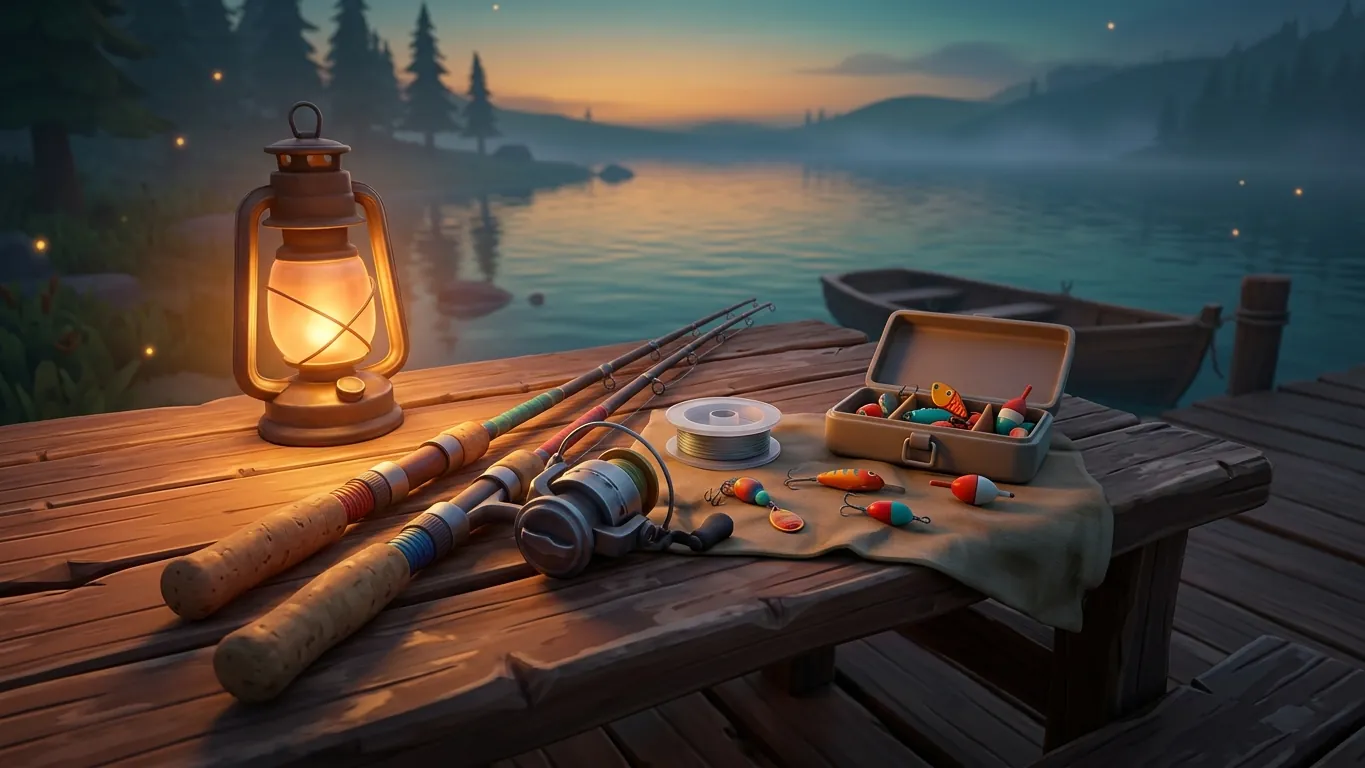
In Ultimate Fishing Simulator, as in most fishing games, your equipment shapes what you can catch and how comfortably you can handle it. A light setup may struggle with larger fish, while a heavy one may feel clumsy when you are after smaller species. Bait and lures influence which fish show interest in the first place.
At the same time, gear is only one part of the picture. Where you cast, when you fish and how you handle the line all matter too. New players sometimes assume that a missing catch means they need better equipment, when a change of spot or a little more patience would have helped just as much. Keeping this balance in mind makes upgrades feel purposeful instead of endless.
Rods: length, strength and feel
Rods differ mainly in how much strain they can handle and how they suit different fishing styles. A lighter rod is often pleasant for small and medium fish, while sturdier rods are intended for larger catches that pull harder. Some rods are better suited to float fishing, others to bottom fishing or casting lures.
When choosing, think about the fish you are realistically targeting at your current location. If most of what you catch is modest in size, a heavier rod may not add much. If you keep hooking larger fish that you cannot land, that is a good reason to look at something stronger.
It is also worth noticing how a rod feels to use. Games often reflect differences in casting distance and handling, and a rod that suits your playing style can make sessions more relaxing.
Reels and line: managing tension
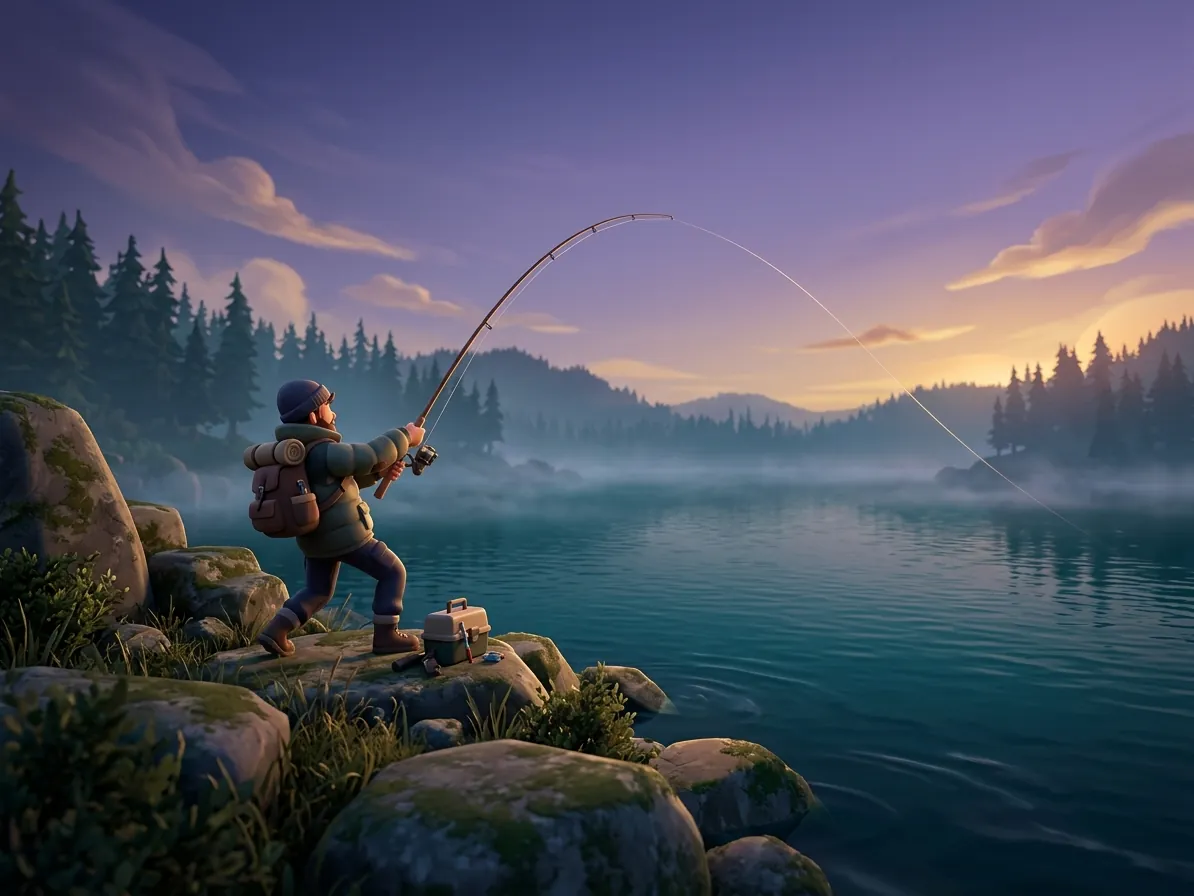
The reel and line work together to control the fight once a fish is hooked. In simple terms, the line has a limit to the strain it can take, and the reel helps you manage how that strain builds up as you bring a fish in. Many fishing games include a drag setting, which lets line slip out under pressure instead of snapping.
If your line breaks often, look at three things in order. First, how you are reeling: steady, patient reeling with pauses when tension rises often solves the problem. Second, the drag setting, if your game offers one. Third, the line itself, since a stronger line may be helpful for bigger fish.
Matching rod, reel and line so that none of them is far weaker than the others tends to create a setup that feels balanced and predictable.
Bait and lures: matching what you want to catch
Bait is where much of the experimentation happens. Natural baits and artificial lures can attract different species, and some fish may respond better at certain depths or times of day. Rather than trying to memorise every combination, treat bait as an ongoing experiment.
A simple method is to change only one thing at a time. If you switch bait, keep the location and depth the same for a while, then compare what you catch. This makes it much easier to understand what is actually making a difference.
If you are aiming for a particular species, read any in-game information available about it and start from there. Then adjust gradually based on what happens at the water.
Upgrading thoughtfully
As you earn in-game rewards, it is natural to want new equipment. A calm approach is to keep a short list of problems you have noticed while fishing: fish escaping, casts falling short, or a species that never seems to bite. Each upgrade can then answer one of those problems.
This habit helps you avoid filling your inventory with gear you rarely use, and it makes every purchase feel like a small, meaningful step. It also keeps your attention where it belongs: on the water, the fish and the quiet pleasure of a well-balanced setup.
Related articles
 Reading the water before you cast
Learn to read virtual water calmly: depth, shoreline shape, cover, time of day and weather, plus a simple way to experiment and remember results.
Read more
 A calm evening fishing routine
Ideas for turning virtual fishing into a relaxed evening ritual, from preparing your space to choosing a session length that leaves you at ease.
Read more
 Patience on the line
A calm look at bites, hook sets and line tension in fishing games, with tips for landing more fish and learning from the ones that escape.
Read more