Reading the water before you cast
Where you cast can matter as much as what you cast with. This guide explains how to look at a fishing spot with patient eyes and make thoughtful choices.

Looking before casting
When you arrive at a new location in Ultimate Fishing Simulator, the first instinct is often to cast straight away. Taking a few minutes to look around first can make your session both calmer and more productive. Reading the water simply means noticing the features that might affect where fish spend their time.
In many fishing games, as in real fishing, factors such as depth, cover and conditions can influence where fish are found. The exact behaviour depends on the game and the species, so the ideas in this article are best treated as starting points for your own observation rather than fixed rules.
Depth and the shape of the shore
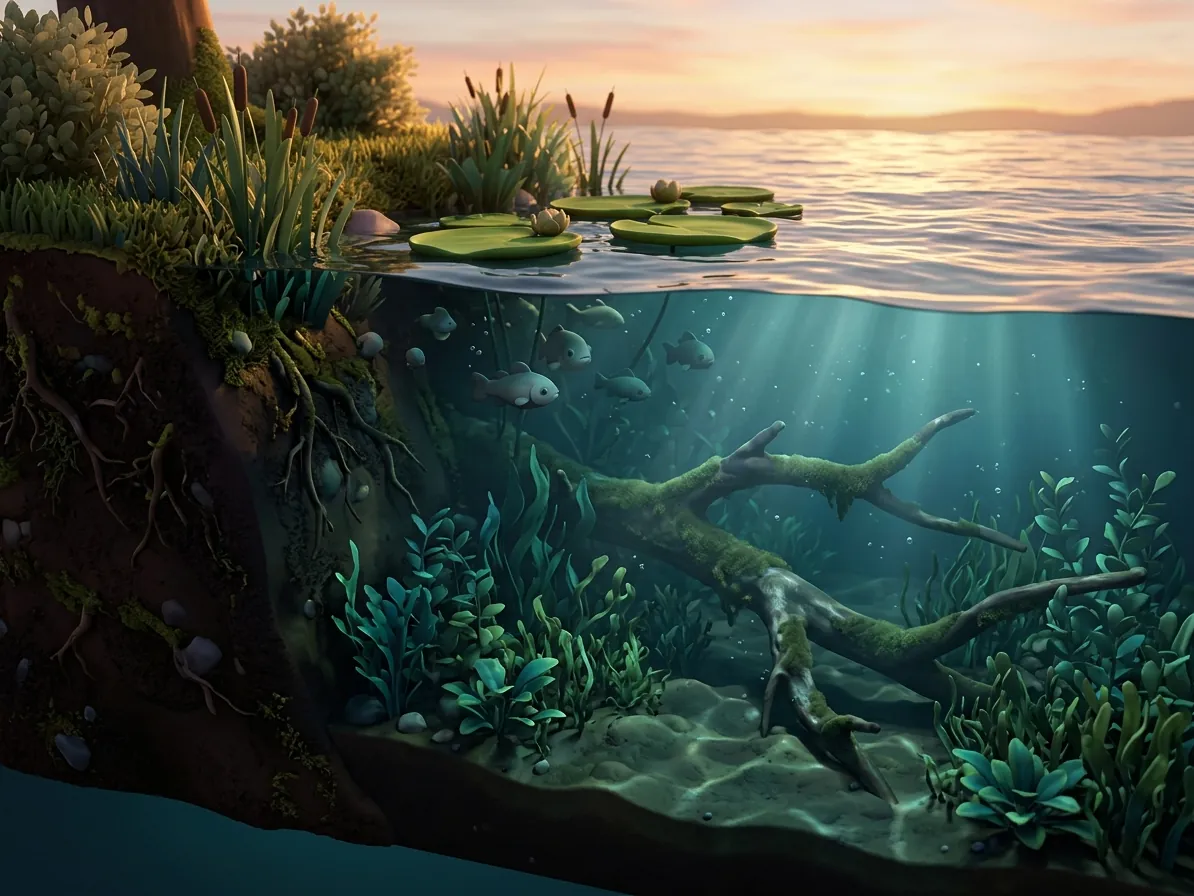
The shape of the shoreline often hints at what lies beneath the surface. A steep bank may drop quickly into deeper water, while a gentle, sloping beach usually leads to a broad shallow area. Points of land that stick out into the water, narrow channels and the edges where shallow water meets deep water are all worth a closer look.
If your game allows you to adjust the depth of your bait, try fishing the same area at different depths. You may notice that some species seem to prefer one level over another. Keeping the location fixed while changing only depth is a clear and simple way to learn.
Cover: reeds, weeds and fallen trees
Many fish in nature like places where they can rest, hide or find food. Reed beds, patches of weed, lily pads, sunken branches and rocky areas can all provide that kind of shelter. Fishing games often reflect this idea, so casting near cover can be a sensible choice.
There is a balance to keep in mind, though. Casting directly into thick vegetation may make it harder to bring a fish out cleanly. A cast placed along the edge of cover is often a good compromise, giving fish a reason to approach while leaving you open water to land them.
Watching how the shoreline changes along a lake can also turn into a calm activity in its own right, almost like a slow walk with a rod.
Time of day and weather
Light and weather add another layer to reading the water. In many fishing games, some fish appear to be more active at certain times, such as early morning or evening, while others may be easier to find during the day. Changes in weather can also make a familiar spot feel different.
Rather than trying to learn every pattern at once, choose one location and visit it at different times. Notice what you catch, how often you get bites and how the atmosphere changes. Evening sessions, with their softer light and quieter mood, can be especially pleasant for this kind of observation.
Experiment, then remember
Reading the water is a skill that builds slowly. Each session adds a little more understanding, and over time you begin to see a lake or river as a set of distinct places instead of one large surface.
To make that learning stick, it helps to remember what you tried. Some players keep simple notes about location, depth, bait, time and results. Others prefer to rely on memory and intuition. Either way, the aim is the same: to turn each visit into a small, unhurried experiment and to enjoy the gradual feeling of getting to know a place.
Related articles
 A calm evening fishing routine
Ideas for turning virtual fishing into a relaxed evening ritual, from preparing your space to choosing a session length that leaves you at ease.
Read more
 Patience on the line
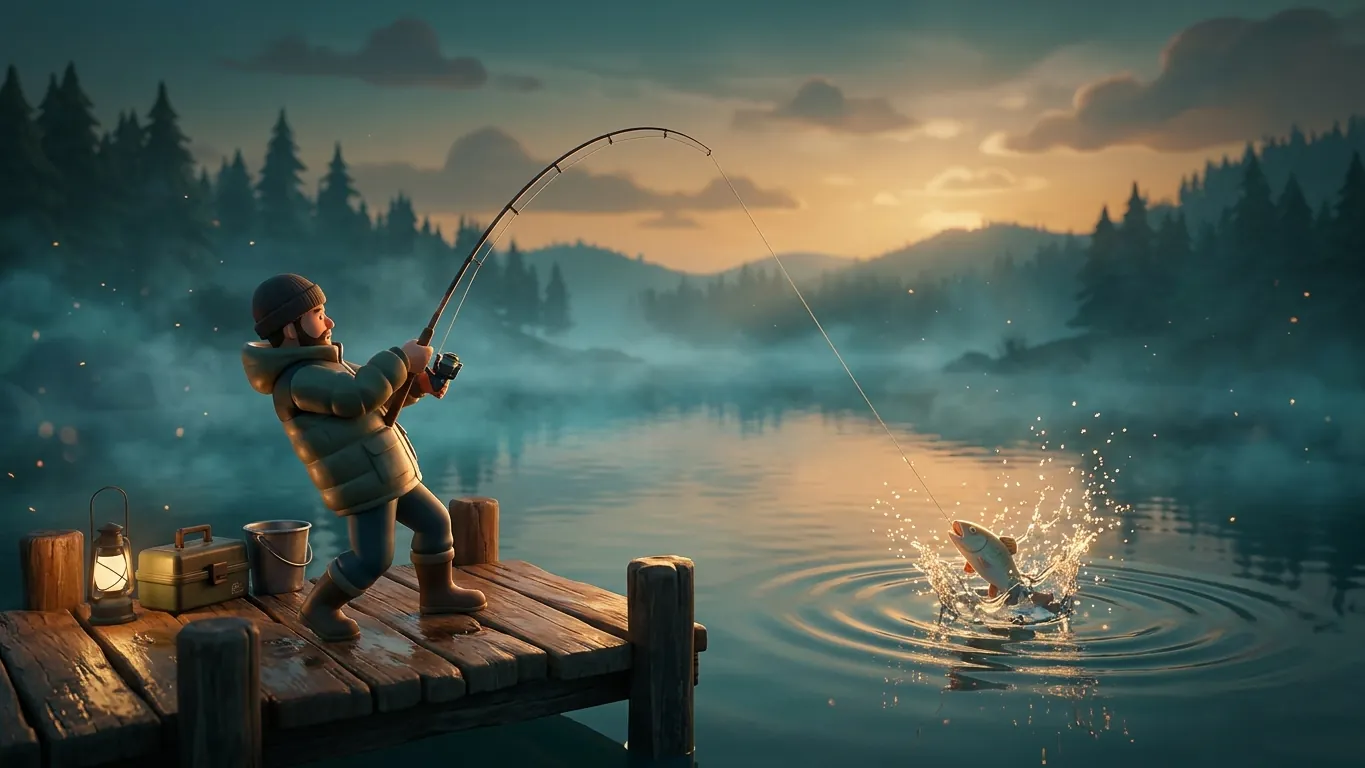
A calm look at bites, hook sets and line tension in fishing games, with tips for landing more fish and learning from the ones that escape.
Read more
 Why slow fishing games feel so restful
An opinion piece on what makes unhurried fishing games feel calm: gentle attention, quiet landscapes and progress that can be enjoyed, not chased.
Read more